

If you’ve ever scrolled through fan art or collectible figures, you’ve probably noticed chibi characters everywhere!
These adorable, miniaturized versions of characters have captured hearts worldwide, but did you know there are actually eight distinct chibi styles?
Each one brings its own personality and charm to the table.
From traditional rounded designs to darker gothic interpretations, understanding these variations will transform how you appreciate and create chibi art.
Let’s explore what makes each style unique, and get you inspired to create your own chibis.
Table Of Contents
The Traditional Chibi Style
When you spot a traditional chibi style, it grabs your attention with its super-cute vibe – think oversized heads that make up about half the character’s body height, paired with tiny limbs and big, sparkling eyes for that instant adorable effect.
You’ve probably collected a Nendoroid figure or two; these Good Smile Company gems capture chibi character evolution perfectly, shrinking heroes into 4-inch poses that burst with personality.

Iconic chibi references shine in Lucky Star, where you see official chibi-fied moments – those exaggerated expressions during funny scenes make you chuckle every time.
Or check Puella Magi Madoka Magica’s merchandise: keychains and posters turn magical girls into classic chibis, with heads twice the body size for endless appeal.

I’ve drawn my own versions, and it’s surprisingly easy to tweak for fresh twists!
So be sure to try it out.
The Kawaii Chibi Style
You plunge into the kawaii chibi style and instantly feel its sugary sweetness, featuring characters with round, plush bodies.
About two heads tall, fluffy outfits in soft pastels, and eyes that sparkle like tiny stars for ultimate charm.
I’ve always loved how this style amps up the cuteness factor – it’s like hugging a cloud!
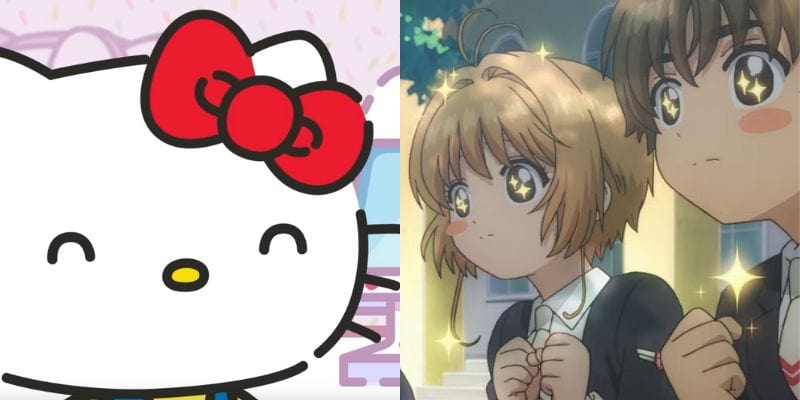
You create these adorable figures with exaggerated heads, measuring twice the body height, and add kawaii fashion like frilly dresses or ribbons for that extra pop.
You can try these:
- Mix Sanrio characters like Hello Kitty with modern cute accessories, such as glittery bows.
- Draw Cardcaptor Sakura-inspired chibis in pastel shades, adding sparkly wings for flair.
- Explore Pixiv artists’ ultra-cute styles, incorporating fluffy textures in your digital art.
- Experiment with kawaii fashion elements, like tiny hats, to personalize your designs.
So many ways to try this style!
The Super Deformed (SD) Style
Super Deformed style, often called SD, squashes characters into hilarious, exaggerated forms with massive heads and tiny bodies for a fun, cartoonish vibe.
You’ll notice heads that are as big as entire bodies, great for creating instant comedy!
This character design approach transforms serious mechs and dramatic heroes into adorable, pint-sized versions of themselves.
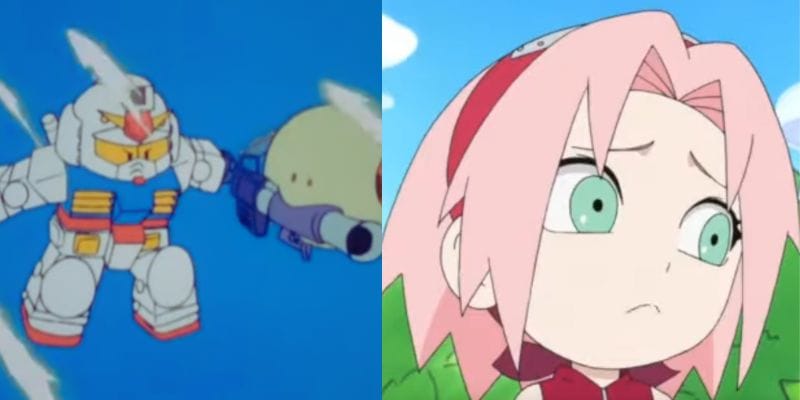
SD Gundam perfectly demonstrates these animation techniques by turning intimidating giant robots into cute, big-headed buddies.
Rock Lee & His Ninja Pals takes this further, using SD style throughout every episode to maximize laughs. The proportions are wild – heads often measure 50% or more of total height!
You can apply SD style to any character, instantly making them more approachable and funny.
This technique works brilliantly for spin-offs, games, and comedy shorts.
The Detailed or “Artistic” Chibi Style
The artistic chibi style improves the cuteness factor into genuine art by adding stunning detail and professional polish to those adorable small proportions.
You’ll notice this sophisticated approach in high-quality games and official merchandise, where detailed outfit design meets incredible craftsmanship.

This style proves that small characters don’t mean simple artwork!
What Makes This Style Stand Out:
- Complex shading techniques create depth and dimension, making each chibi look three-dimensional and professionally rendered.
- Intricate costume elements showcase every buckle, pattern, and accessory with careful attention.
- Beautiful cel-shading adds that polished, game-ready quality you’d see in Genshin Impact stickers.
- Elaborate weapon and armor details maintain their impressive look even at tiny sizes.
This approach transforms chibis into collectible-quality art that commands attention and respect!
It’s great to aim for this art style if you want to become a professional Chibi artist.
The Gijinka Chibi Style
While detailed chibis showcase artistic mastery through elaborate rendering, gijinka chibis take creativity in a completely different direction by transforming non-human things into adorable human characters!
You’ll find this gijinka character design approach everywhere, from Pokémon fan art to social media apps reimagined as cute people.
The term “gijinka” literally means “humanization” in Japanese, and it’s become incredibly popular online.
Think about it – artists have transformed Pikachu into a chibi human with yellow hair and rosy cheeks!
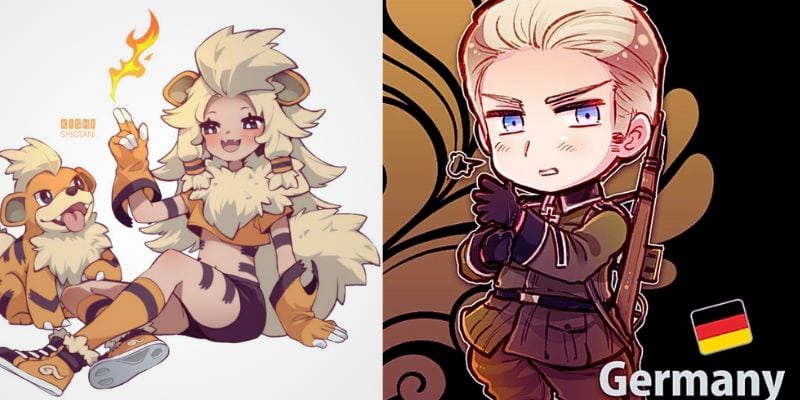
Countries became characters in Hetalia: Axis Powers, while Discord and Instagram got their own chibi personas.
This gijinka art evolution shows how limitless your imagination can be when mixing concepts.
The magic happens when you capture an object’s essence through human features and expressions.
The Gothic Chibi Style
Dark colors and mysterious vibes combine with adorable proportions to create gothic chibi art style, and honestly, it’s one of my favorite artistic mashups!
Gothic influences blend perfectly with chibi cuteness, creating characters that are both edgy and endearing.
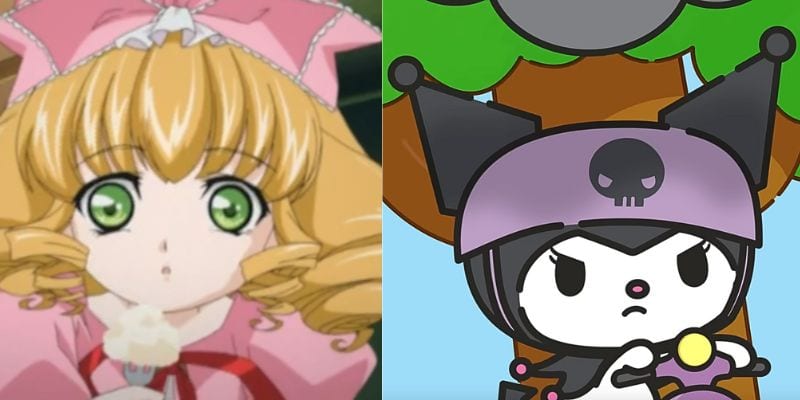
Here’s what makes this style special:
- Rozen Maiden dolls showcase elaborate gothic lolita fashion with tiny proportions
- Tim Burton characters like Emily from Corpse Bride translate beautifully into chibi form
- Kuromi from Sanrio embodies the “cute but rebellious” aesthetic perfectly
- Dark color palettes with blacks, purples, and deep reds create dramatic contrast
These edgy aesthetics don’t sacrifice the inherent charm of chibi art.
Instead, they enhance it by adding depth and personality! You’re creating characters that stand out while maintaining that irresistible kawaii appeal.
The Kemono (Animal) Chibi Style
When you combine the irresistible charm of chibi proportions with adorable animal features, you get kemono style – and it’s absolutely delightful!
This approach takes cute animal characteristics and amplifies them through chibi design techniques, creating characters that are practically impossible to resist.
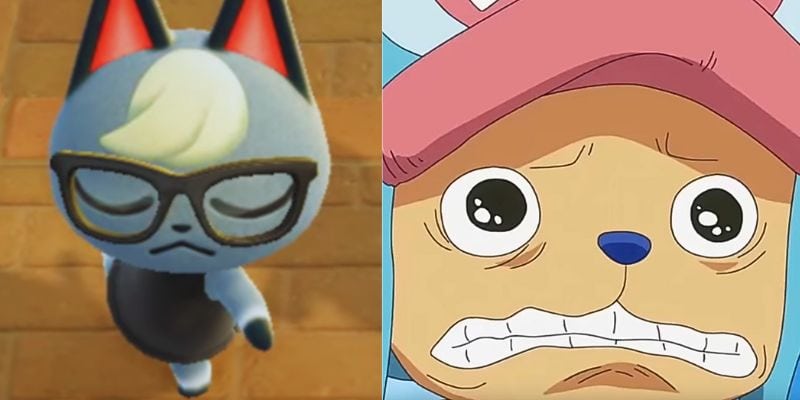
You’ll notice that kemono chibi characters feature oversized heads, tiny bodies, and exaggerated animal traits like fluffy tails, rounded ears, and button noses.
Think of Animal Crossing’s beloved villagers or Tony Tony Chopper’s Brain Point form – they’re perfect examples!
The Sumikko Gurashi characters push this even further with ultra-simplified shapes and minimal details.
What makes this style innovative is how it balances recognizable animal characteristics with extreme cuteness.
The Micro-Chibi Style
If you thought kemono chibi was taking cuteness to extremes, micro-chibi style says “hold my pen” and shrinks everything down even further!
These tiny characters are so small they’d fit on your fingertip, making regular chibis look gigantic by comparison.

Micro chibi characteristics include incredibly simplified features and minimal detail work.
You’ll notice these micro chibi examples everywhere, from stickers to phone charms!
Here’s what makes them special:
- Ultra-compact proportions – heads are basically circles with dots for faces
- Maximum simplification – eyes become simple dots or lines
- Minimal limbs – arms and legs are tiny stubs or omitted entirely
- Perfect for patterns – their small size makes them ideal for repeated designs
This style proves that sometimes less really is more!
You can create adorable art with just basic shapes.
Conclusion
You’ve explored eight amazing chibi styles that can transform your artwork!
From the classic traditional look to tiny micro-chibis, each style offers unique ways to express your creativity.
Don’t be afraid to mix and match elements from different styles – you might discover your own signature approach. Pick your favorite style and start sketching today, because the best way to improve is through practice.
For a broader look at other art styles, don’t forget to check out our main guide on 25 Types of Cartoon Drawing Styles.
And if you’re ready to start drawing some chibis, get my Complete Chibi Drawing Course (on sale now!)

Patricia Caldeira is the main writer here at Don Corgi. She's an art teacher with over 20.000 happy students across many platforms and courses!
Enjoy your stay and as always:
Keep on drawing!
Patricia’s courses have enrolled 22 000+ students around the world, in platforms such as Udemy, Skillshare, Gumroad and more.

I am looking for someone who loves chibi! I finally found someone!